Lucky Charm, Empty Wallet: The Real Price of Superstition at the Betting Window
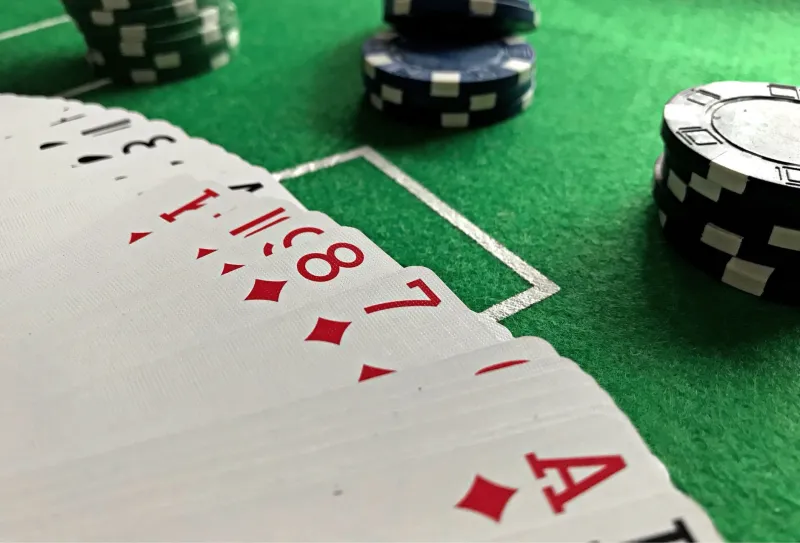
Let's be honest for a second. You probably have a ritual. Maybe it's wearing the same jersey every Sunday before you lock in your picks. Maybe you always bet with your left hand, or you won't touch a slot until you've tapped the screen three times. Perhaps there's a specific chair at the casino that feels right — the one you swear has paid out more than any other seat in the building.
None of that is unusual. In fact, it's deeply, scientifically human. But here's the uncomfortable truth that sharp bettors figured out a long time ago: those rituals aren't just harmless quirks. They're costing you real money, in ways that are easy to miss until you add it all up.
Why Your Brain Manufactures Luck Out of Thin Air
Human beings are pattern-recognition machines. That's not a metaphor — it's how our brains are literally wired. For most of human history, spotting patterns in the environment kept us alive. If berries near a certain rock made people sick, you remembered it. If rain followed a specific cloud formation, you prepared for it. Pattern recognition was survival.
The problem is that this same neural machinery gets applied to situations that are completely, mathematically random. A roulette wheel has no memory. A slot machine's RNG doesn't know whether you tapped the screen twice or three times. A point spread doesn't care that you wore your lucky hoodie. But your brain, desperate to impose order on chaos, will construct a cause-and-effect story anyway.
Behavioral researchers call this illusory correlation — the tendency to perceive a relationship between two unrelated events because they happened close together in time. You won $400 the first time you used that specific app at 9 PM on a Tuesday. Now Tuesday nights feel special. The win was real. The connection was fiction.
The Financial Leak You're Probably Not Tracking
Here's where superstition stops being a personality quirk and starts being a bankroll problem.
When players believe a ritual or charm is influencing outcomes, they don't just feel better — they actually bet differently. Studies in behavioral economics consistently show that people operating under a false sense of control take on more risk than they otherwise would. They bet larger. They chase losses with more aggression because they believe their "luck" is about to turn. They stay in sessions longer than their bankroll management rules should allow because the ritual hasn't "worked yet."
That false confidence is the leak. It's not dramatic. It doesn't announce itself. But over dozens of sessions, the extra units wagered under the influence of superstitious confidence add up to a number that would make most players genuinely uncomfortable.
There's also an opportunity cost angle that rarely gets discussed. Time spent obsessing over rituals — finding the right seat, wearing the right outfit, waiting for an omen that feels right — is time not spent doing things that actually move the needle. Analyzing line movement. Comparing odds across books. Reviewing your own betting history for real, data-backed patterns.
The Gambler's Fallacy Is Superstition With a Math Degree
The most expensive form of superstition isn't the lucky charm. It's the belief that probability "evens out" in a way that affects your next bet.
You've seen it happen. The roulette table hits black seven times in a row, and suddenly the whole crowd is piling onto red because it's "due." A sports bettor's team covers the spread four weeks running, so they double their unit on week five because the streak feels like destiny. That's the gambler's fallacy — the conviction that past random events influence future random outcomes.
A fair coin that lands heads ten times in a row still has a 50% chance of landing heads on the eleventh flip. The coin doesn't know about the streak. The wheel doesn't owe you anything. But the belief that it does? That belief will absolutely take your money.
What Elite Bettors Do Instead
The sharpest players at LionBet 777 aren't cold robots who feel nothing — they're people who've learned to recognize when emotion and superstition are driving the bus instead of logic, and they've built systems to pump the brakes.
A few habits that separate disciplined bettors from the rest:
They document everything. Not just wins and losses, but the reasoning behind each bet. When you have to write down why you're making a wager, it becomes a lot harder to justify "because it feels like my night."
They set session rules before the session starts. Stop-loss limits and profit targets decided in advance, when you're calm and rational, are way more reliable than in-the-moment decisions made under the influence of a hot streak or a lucky feeling.
They treat each bet as statistically independent. What happened last week is data for analysis, not a prophecy about this week. Winning three straight doesn't make the fourth bet safer. Losing four straight doesn't mean a win is "owed."
They audit their superstitions. Seriously. Some sharp bettors actually run informal tests on their own rituals — tracking outcomes with and without the ritual — just to confirm what they already know intellectually: the charm isn't doing anything.
The Ritual That Actually Works
Here's the twist. Rituals aren't entirely useless. The research shows that pre-performance routines can improve outcomes — but only when they're functioning as focus and consistency tools, not as magical interventions.
A routine that helps you slow down, review your criteria, check your emotional state, and confirm you're betting with your head rather than your gut? That's genuinely valuable. The problem is when the routine becomes the point — when players start believing the ritual itself is influencing the outcome rather than just influencing their own mental state.
Use routines to get sharp and focused. Don't use them as a substitute for doing the actual work.
The Bottom Line
Luck is real in the sense that variance exists and short-term outcomes are genuinely unpredictable. But luck isn't something you can court, cultivate, or earn by following the right rituals. The universe doesn't keep score on whether you wore your blue shirt.
What you can control is your process, your bankroll management, your line shopping habits, and your ability to recognize when your brain is telling you a story that the data doesn't support. That's where the real edge lives — not in a charm, not in a seat at the casino, and definitely not in a Tuesday night ritual that coincided with one good session two years ago.
Roar into the action with your eyes open. The lion doesn't need luck. It needs discipline, patience, and the ability to read the situation clearly. That's as true at the betting window as it is on the savanna.