Fire Before You Aim: The Neuroscience of Why Snap Bets Are Silently Wrecking Your Bankroll
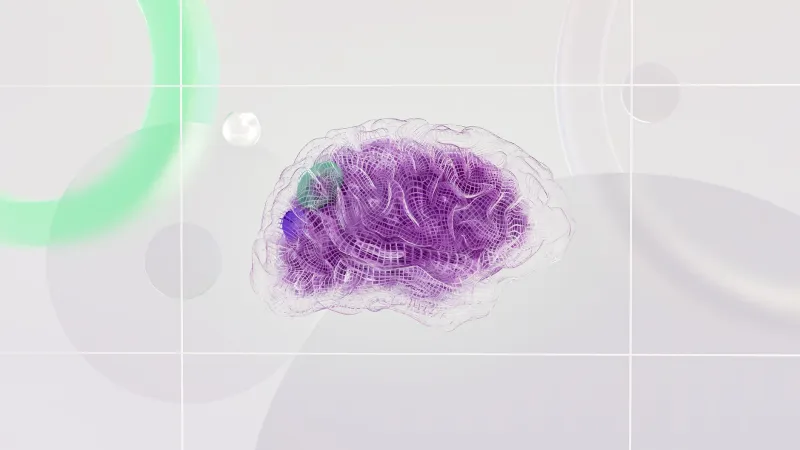
There's a specific feeling most bettors know well. The game clock is ticking. The odds shift. Your gut screams now. Your finger moves before your brain has finished a single coherent thought — and the bet is already placed.
That sensation? It's not instinct. It's not edge. It's your nervous system running a program it was never designed to run inside a sportsbook.
Here at LionBet 777, we talk a lot about roaring into the action — but the lion doesn't charge blindly. It watches, it calculates, and then it moves. Understanding why your fastest decisions tend to be your worst ones might be the most valuable education a bettor can get.
The Two-System Brain and Why Vegas Loves One of Them
Neuroscientists have long described human thinking as operating on two parallel tracks. The first is fast, automatic, emotionally driven, and largely unconscious. The second is slow, deliberate, analytical, and requires actual effort.
When you're sitting at a casino table or scrolling through a live betting feed, your fast system is in overdrive. It's scanning for patterns, reacting to flashing numbers, and generating feelings of urgency that feel indistinguishable from genuine insight. The problem is that this system was built for physical survival — not for calculating expected value on a spread bet.
The slow system, the one that actually does the math, requires something your fast brain absolutely hates: time.
House edges, platform design, and the frenetic pace of live betting markets all create conditions that keep your slow system perpetually off-balance. That's not an accident.
Dopamine: The Chemical That Turns Urgency Into Action
At the center of impulsive betting is dopamine — and it's doing something most people misunderstand. Dopamine isn't just released when you win. Research shows it spikes most intensely in anticipation of a possible reward, particularly when the outcome is uncertain.
The moment you spot what looks like a value line, or the second a live game swings in a direction that feels like a signal, your brain floods with dopamine. That chemical surge creates a physical sense of urgency. Waiting feels painful. Acting feels right.
This is the bet reflex in action: a neurochemical shortcut that bypasses your analytical brain entirely and drives behavior before conscious evaluation ever kicks in.
For context, this same mechanism is why slot machines with near-miss outcomes keep players locked in. The almost win produces nearly as much dopamine as the win itself. In live betting, every momentum shift is essentially a near-miss generator — and your brain is helpless against it without deliberate countermeasures.
Why Confidence Spikes Right Before Your Worst Bets
Here's something that might sting a little: the bets you feel most certain about in the moment are statistically more likely to be impulsive, not informed.
Psychologists call this the "confidence-accuracy gap." Under conditions of high arousal — think a fourth-quarter comeback, a hot streak at the blackjack table, or a parlay that's three legs deep — your emotional brain floods your conscious experience with a sense of certainty that has nothing to do with actual probability assessment.
You feel like you know. But what you're actually feeling is dopamine-fueled pattern recognition operating without any of the analytical guardrails that make pattern recognition useful.
Sharp bettors will tell you that their most disciplined moments weren't when they confidently pulled the trigger — they were when they felt the urge to fire and chose to wait instead.
The "Hot Stove" Problem in Live Betting
There's a reason live in-game betting has exploded in popularity across US sportsbooks. It's engaging, dynamic, and feels interactive in a way that pre-game wagering simply doesn't. But it's also a perfect environment for the bet reflex to run completely unchecked.
Pre-game, you have hours or days to evaluate a line. Live betting compresses that window to seconds. Odds shift in real time. The game narrative is unfolding in front of you. Every play feels like new information — and your fast brain treats it as such, even when most of it is noise.
This is what we call the hot stove problem: the faster something demands your attention, the more your instinct is to react immediately. But touching the stove quickly doesn't make it less hot. Betting impulsively on a momentum swing doesn't make it more likely to continue.
The market has already priced in most of what you're seeing. The odds you're looking at reflect thousands of data points you don't have. Reacting to what's visible on screen with a snap bet is usually reacting to information the market already absorbed.
Building a Pause Protocol That Actually Works
Knowing the neuroscience is useful. Having a practical system is better.
The goal isn't to eliminate urgency — it's to insert enough friction between impulse and action that your slow, analytical brain has time to weigh in. Here are a few approaches that serious players use:
The 90-Second Rule. Before placing any unplanned bet, set a 90-second timer. Don't do anything else. Just sit with the urge. You'll often find that the feeling of urgency fades significantly within that window — which tells you it was emotional, not analytical.
The "Why" Test. Force yourself to articulate the reason for the bet in a single clear sentence. Not a feeling — a reason. "The line moved two points and public money is on the other side" is a reason. "It just feels like they're going to score" is a feeling. If you can't produce a sentence, you don't have a bet.
Pre-Commit Your Session Bets. One of the most effective ways to neutralize the bet reflex is to decide what you're betting before you're exposed to live action. Set your bets pre-game, before the dopamine machine starts running. Unplanned bets during a session should face a much higher internal threshold.
Create Physical Distance. This sounds almost too simple, but physically stepping away from the screen — even for two minutes — dramatically reduces impulsive action. The environmental cues that trigger the fast brain (flashing odds, crowd noise, score updates) lose their grip when you break line of sight.
The Lion Waits
There's a reason the LionBet 777 brand leans into the lion — not the cheetah, not the shark. The lion is the apex predator that waits. It doesn't chase every movement in the grass. It reads the situation, picks its moment, and then commits with everything it has.
Your fastest bets are your most expensive ones — not because speed is always wrong, but because speed without deliberation is just impulse wearing a confidence costume.
The players who last longest, who build bankrolls instead of burning them, have all learned the same uncomfortable lesson: the urge to act right now is almost never the edge. The pause is.
Next time the reflex fires, let it. Then wait. See what your slow brain has to say. That conversation — the one between your gut and your judgment — is where the real game is played.