Owls vs. Pigeons: The Hidden Edge That Separates Late-Night Bettors From Everyone Else
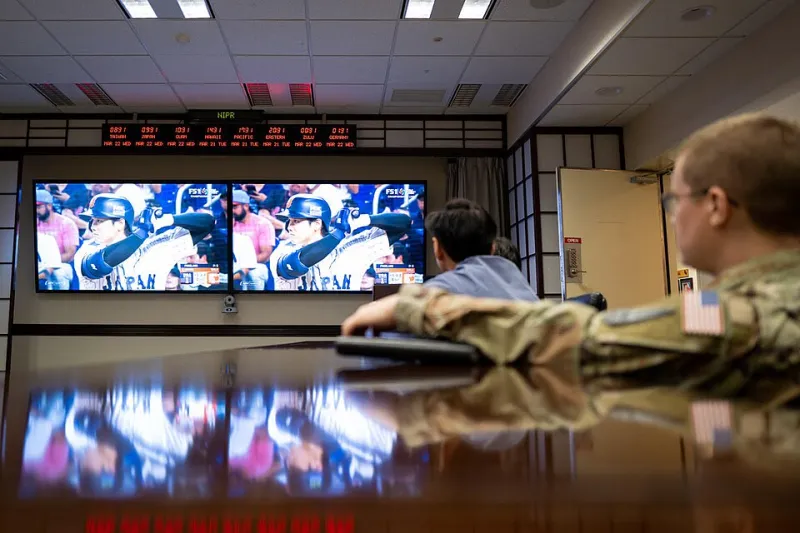
Photo: U.S. Forces Japan (@USForcesJapan), Public domain, via Wikimedia Commons
The Sportsbook Never Sleeps — But Most Bettors Do
Walk into any casino sportsbook in Vegas at 2:47 AM on a Tuesday and you'll notice something strange. The place isn't empty. It's quiet — but it's not empty. A handful of people sit hunched over laptops and phones, sipping lukewarm coffee, watching line movements tick across screens like stock traders monitoring pre-market futures. These aren't your average recreational bettors killing time after a few drinks. These are the owls — and they operate in a completely different world than the rest of us.
The question worth asking isn't just what they're doing differently. It's why those late hours create such a distinct advantage, and more importantly, why most casual players would absolutely crater trying to replicate it.
What Actually Changes After Midnight
The betting landscape shifts in measurable ways once the prime-time crowd logs off. First, there's the noise factor — or rather, the absence of it. During peak evening hours, sportsbooks are absorbing massive volume from recreational bettors. That flood of public money pushes lines in predictable directions. Sharp bettors call this the "square action" window, and it's essentially a distortion field.
By the time midnight rolls around, most of that casual volume has dried up. Books start moving lines based on sharper, more informed action. The signal-to-noise ratio flips entirely. If you know how to read line movement — and we mean really read it, not just notice that the spread shifted half a point — those early morning hours can reveal where the serious money is actually flowing.
There's also the matter of information asymmetry. Late injury reports, lineup confirmations for overseas soccer markets, and overnight news drops can create brief windows where the posted line hasn't caught up to reality. Sharp bettors build entire systems around hunting these gaps.
The Neuroscience of Betting at 3 AM (It's Not Pretty)
Here's where it gets complicated — and where most people need to be brutally honest with themselves.
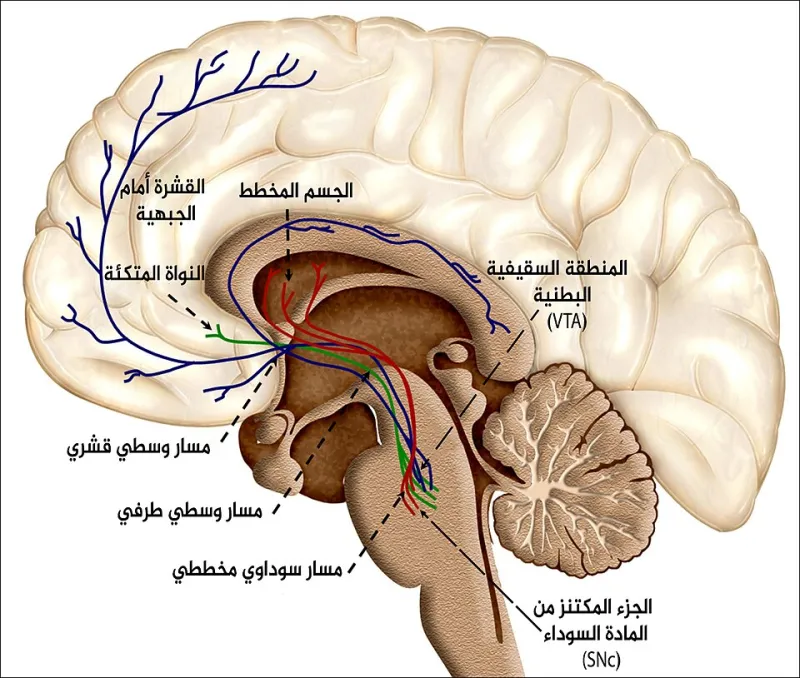
Fatigue does something interesting to the human brain. Research on decision-making under sleep deprivation consistently shows that tired people become overconfident while simultaneously making worse decisions. You feel clearer than you are. Inhibitory control — the mental mechanism that stops you from making impulsive bets you'd never touch when rested — degrades significantly after about 18 hours of being awake.
For the disciplined sharp bettor, this is manageable. They've built rigid decision frameworks before they ever sit down. Their bankroll thresholds, their acceptable line values, their walk-away triggers — all of it is pre-decided. Fatigue doesn't erode their process because their process doesn't require real-time judgment calls. It's essentially automated.
For the casual bettor who just wants to chase a loss at 3 AM? Fatigue is gasoline on a fire. The "one more bet" impulse hits harder. The ability to critically evaluate a wager drops. Losses feel more abstract. It's a recipe for the kind of session you spend the next morning trying to reconstruct from your betting history.
The Framework That Makes It Work (Or Doesn't)
So what separates the owls who profit from the ones who blow up? It comes down to something deceptively simple: pre-commitment.
Professional sharp bettors don't decide whether to bet at 3 AM — they decide what conditions would justify a bet, and then they wait to see if those conditions appear. If a line hits their predetermined value threshold, they fire. If it doesn't, they close the laptop and go to sleep. No deliberation. No "well, maybe just this one." The decision was already made hours earlier when their brain was fresh.
This is a fundamentally different cognitive approach than what most recreational bettors bring to the table. Casual players tend to be reactive — they see a game, they feel a lean, they place a bet. Late at night, with judgment compromised and emotions amplified, that reactive style becomes genuinely dangerous.
Reduced Distractions: A Double-Edged Sword
One thing late-night bettors consistently cite is the absence of distraction. No group chat buzzing with hot takes, no talking heads on ESPN screaming about their "best bets of the week," no social pressure to tail someone else's pick. Just you, the lines, and your own analysis.
For some people, that isolation sharpens focus. For others, it removes the last external check on bad decisions. When nobody's watching and nothing else is competing for your attention, the temptation to go deeper into a losing session — or to abandon your original plan because you "feel good" — can become overwhelming.
The late-night environment rewards self-awareness above almost everything else. You need to know, with genuine honesty, which type of bettor you are when the room gets quiet.
Should You Actually Try This?
Let's be direct: for the vast majority of sports bettors in America, staying up until 3 AM to hunt line value is a losing proposition — not because the edge doesn't exist, but because they don't have the framework to exploit it safely.
The late-night advantage is real. It's also fragile, highly conditional, and deeply dependent on the kind of process-first discipline that takes years to build. Without it, you're not hunting an edge. You're just tired and betting.
If you're genuinely curious about developing sharper betting habits, start by building your decision framework during daylight hours when your brain is firing on all cylinders. Set your line values, your session limits, and your exit conditions in advance. Then — and only then — does the quiet of late night become a tool rather than a trap.
The lions at LionBet 777 who roar loudest aren't the ones who stay up the latest. They're the ones who know exactly when to strike and when to walk away — regardless of what the clock says.