Cracking the Code: What Casino Math Really Tells You About Every Game You Play
Most people walk into a casino — or fire up an online platform like LionBet 777 — with one of two mindsets. Either they think the whole thing is rigged against them from the jump, or they genuinely believe a hot streak means something magical is about to happen. The truth? It's neither. It's math. And once you understand how that math actually works, the whole experience shifts.
This isn't about killing the fun. It's about playing with your eyes open.
What "House Edge" Actually Means (It's Not a Villain)
The house edge gets a bad reputation, like it's some shadowy force designed to drain your wallet. But really, it's just a percentage — a long-run average that tells you how much of every dollar wagered the casino expects to keep over time.
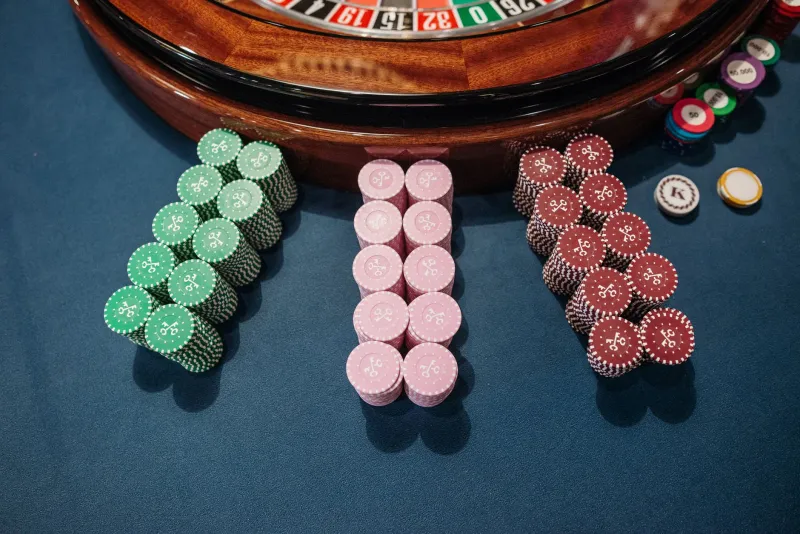
Take American roulette. There are 38 pockets on the wheel (1–36, plus 0 and 00). Bet on a single number, and you get paid 35-to-1 if you hit. But the real odds of hitting that number are 37-to-1. That gap — two pockets' worth of difference — is where the house edge lives. Do the math: it works out to about 5.26%. For every $100 you wager over thousands of spins, the casino expects to keep roughly $5.26.
Now compare that to European roulette, which drops the double zero. Suddenly you're looking at a house edge of just 2.7%. Same game, different wheel, meaningfully different math.
The takeaway here isn't "avoid roulette." It's that not all versions of the same game are created equal.
RTP: The Flip Side of the Coin
Return to Player — RTP — is essentially the house edge viewed from your seat at the table. If a slot machine has an RTP of 96%, that means over a massive sample of spins, the game returns $96 for every $100 wagered. The casino keeps the other $4.
Here's where people trip up: RTP is a long-run statistical average, not a session guarantee. You could sit down and double your money in 20 minutes. You could also lose your buy-in in 10. RTP doesn't care about your individual session — it describes what happens across millions of plays.
That said, RTP is genuinely useful when you're comparing games. A slot with 94% RTP is mathematically worse for you than one running at 97%, all else being equal. When LionBet 777 lists game specs, those RTP numbers aren't decoration — they're real data points worth checking.
Variance: The Wild Card Nobody Talks About Enough
If house edge is the long-term lean of the game, variance is what explains the short-term chaos. High-variance games swing hard in both directions. Low-variance games grind more predictably.
Picture two slot machines. Machine A has a 96% RTP and pays out small wins frequently. Machine B also has a 96% RTP but rarely pays — until it does, and then it dumps a massive jackpot. Same expected value on paper. Completely different experience in practice.
High-variance games are why someone can walk away with 50x their buy-in on a Tuesday afternoon. They're also why someone else can play for two hours and barely touch their starting balance. Neither outcome "means" anything about the game being broken or the player being lucky. It's variance doing its thing.
Understanding this reframes a lot of common frustrations. That cold streak you're on? Probably variance. That sick run where everything hits? Also variance. The math doesn't reset between sessions.
The Games With the Best Numbers (And the Ones to Watch)
Not all casino games are mathematically equal, and knowing the difference is genuinely useful.
Blackjack — played with basic strategy — consistently offers one of the lowest house edges in any casino, often sitting below 0.5%. That's not a typo. When you're making statistically correct decisions on every hand, you're playing as close to even as casino gaming gets.
Baccarat is another underrated pick. The banker bet carries a house edge of roughly 1.06%, making it one of the cleaner wagers in the building. The tie bet? That's sitting around 14%. Same table, wildly different math.
Video poker, specifically Jacks or Better played with an optimal strategy chart, can push RTP above 99% in some variations. Again — strategy matters enormously.
On the other end, keno and certain side bets on table games can carry house edges north of 20%. They're fun, they're fast, but the math isn't doing you any favors.
Why "Due" Numbers Don't Exist
This one's worth addressing directly because it trips up even experienced players. Slots, roulette, and most casino games use random number generators — meaning each outcome is statistically independent from the last. A slot that hasn't paid out in 500 spins isn't "due" for a big hit. The machine has no memory.
This is called the gambler's fallacy, and it's one of the most common ways people make decisions that don't line up with how the math actually works. Roulette doesn't "owe" you red because black came up seven times in a row. Each spin resets the probability completely.
Playing Smart Without Taking the Fun Out of It
None of this is meant to turn gaming into homework. The whole point of understanding the math is that it frees you up to enjoy the experience without chasing ghosts.
When you know that blackjack with basic strategy gives you the best shot, you can sit down and play confidently. When you know a 96% RTP slot is a reasonable choice, you can spin without wondering if you're getting played. When you understand variance, a losing session stops feeling like a personal failure and starts feeling like what it actually is — a statistical outcome.
LionBet 777 is built for players who want to roar into the action with real knowledge behind them. The games are exciting. The wins hit differently when they come. And understanding the math underneath it all? That's how champions think about every session, win or lose.