What's Really Happening in Your Brain When You Win Big
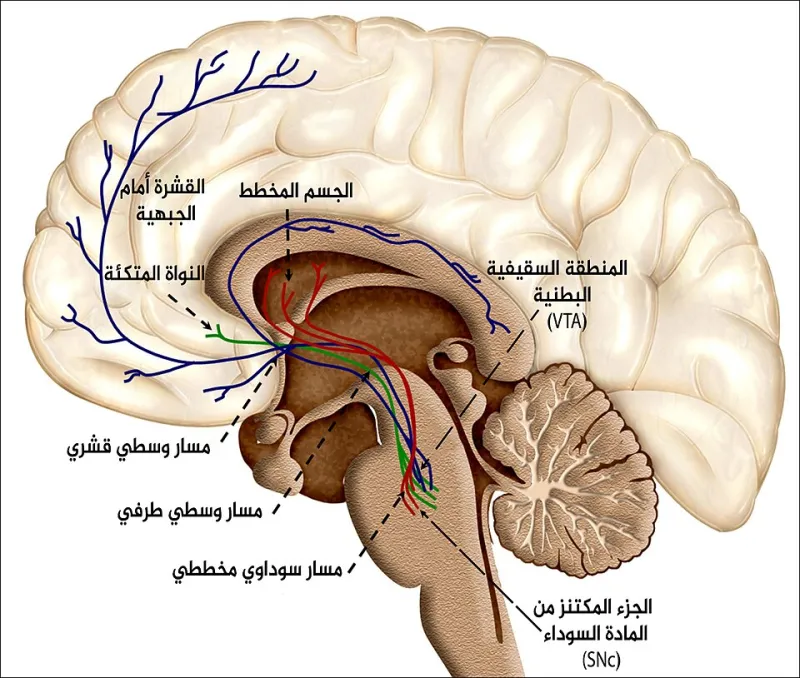
Photo: Oscar Arias-Carrión1, Maria Stamelou, Eric Murillo-Rodríguez, Manuel Menéndez-González and Ernst Pöppel. User:Was a bee, CC BY-SA 4.0, via Wikimedia Commons
There's a moment every player knows. The reels slow down. The final score ticks in. The cards flip over. And then — boom — it hits you. That electric surge of pure, unfiltered excitement. You pump your fist, maybe let out a shout, and for a few seconds, everything feels absolutely right with the world.
But what's actually going on inside your head during that moment? Spoiler: it's not just luck doing the heavy lifting. Your brain is running a remarkably complex chemistry experiment every single time you play, and science has a lot to say about why gaming feels the way it does.
The Dopamine Connection: Your Brain's Built-In Reward System
At the center of it all is dopamine — a neurotransmitter that gets a lot of airtime in pop psychology, but is genuinely as powerful as advertised. When something good happens unexpectedly, your brain releases a flood of dopamine into the reward pathways, creating that signature feeling of pleasure and motivation.
Here's the twist that makes gaming particularly compelling: dopamine doesn't just respond to rewards. It responds to unpredictable rewards even more intensely. Researchers call this variable ratio reinforcement, and it's been studied extensively since the mid-20th century. When you can't predict exactly when a win is coming, your brain actually ramps up dopamine production in anticipation. The uncertainty itself becomes part of the thrill.
This is why a slot game with randomized payouts or a sports bet with shifting odds can feel more engaging than, say, knowing you'll get a dollar every time you press a button. Predictability kills excitement. Unpredictability fuels it.
The Anticipation Phase: Where the Real Magic Lives
Fun fact: neuroscientists have found that the anticipation of a reward often triggers a stronger dopamine response than the reward itself. Think about that for a second. The moments before the outcome — watching the reel spin, waiting for the final buzzer, seeing your hand dealt — can be more neurologically intense than the win.
This is part of why gaming is so immersive. You're not just experiencing a single moment of satisfaction; you're riding a continuous wave of anticipation, resolution, and re-engagement. Each cycle feeds into the next, creating a rhythm that keeps your brain actively invested.
At LionBet 777, the platform is designed with this natural rhythm in mind. Whether you're spinning through a slot, placing a live sports wager, or sitting at a virtual blackjack table, the pacing of each game plays into how your brain naturally processes excitement. It's not accidental — it's intentional design meeting genuine player psychology.
Near Misses: The Phenomenon That Keeps You Leaning In
If you've ever landed two jackpot symbols out of three and felt a strange surge of excitement despite technically losing, you've experienced what researchers call the near-miss effect. And it's one of the most studied phenomena in gaming psychology.
Brain imaging studies have shown that near-miss outcomes activate many of the same neural circuits as actual wins. Your brain, in a sense, doesn't fully register the loss — it registers the closeness to a win, and responds with renewed motivation to try again. It's almost like your reward system says, "You were right there — one more shot."
This isn't a flaw in your thinking. It's a deeply human response rooted in how our ancestors learned to persist through challenges. The same drive that pushed early humans to keep hunting after a near-catch is the same drive that makes you want to spin again after a near-jackpot. Understanding that this response is biological — not a personal weakness — is genuinely empowering.
The Social Layer: Why Winning Feels Better Together
Gaming isn't just a solo brain event. The social dimension adds another layer to the psychological experience. When you share a win — whether it's telling a friend about a big sports bet that paid off or seeing a leaderboard update with your name — your brain gets an additional hit of oxytocin, often called the "connection" chemical.
Community-driven gaming environments amplify this effect. Knowing that other players are experiencing similar highs and lows creates a sense of shared experience that deepens engagement. It's the same reason sports bars are packed on game day — wins feel more meaningful when someone else is there to witness them.
Playing Smart: Using Psychology to Your Advantage
Understanding the neuroscience of gaming doesn't make the experience any less fun — if anything, it makes you a more aware and intentional player. Here are a few science-backed habits that keep gaming enjoyable:
Set session limits before you start. Your prefrontal cortex — the rational, planning part of your brain — works best before the dopamine rush kicks in. Decide your limits when you're calm, not in the middle of a hot streak.
Recognize the near-miss for what it is. When that almost-jackpot hits, your brain will tell you you're close. Remind yourself that each spin or bet is statistically independent. That awareness doesn't ruin the fun — it just keeps you grounded.
Take intentional breaks. The anticipation loop is powerful, but stepping away resets your baseline and actually makes the next session feel fresher and more enjoyable. Think of it like a palate cleanser.
Play for the experience, not just the outcome. The most satisfied players tend to treat gaming as entertainment — the win is a bonus, not the whole point. When you shift your mindset this way, losses sting less and wins feel like a genuine surprise.
LionBet 777's Commitment to Player Awareness
At LionBet 777, we genuinely believe that informed players are happier players. That's not just a tagline — it shapes how we think about the gaming experience we offer. Responsible gaming tools, session reminders, and transparent odds aren't just compliance checkboxes. They're part of building a platform where players feel respected and in control.
The science is clear: gaming taps into some of the most fundamental reward systems in the human brain. That's what makes it exciting. But excitement is best enjoyed when it's paired with self-awareness, and we're here to support both sides of that equation.
So the next time you feel that rush — when the cards fall your way or the final score lands in your favor — take a second to appreciate what's happening. Your brain just did something extraordinary. And at LionBet 777, we're honored to be part of that moment.